CMP Equipment Cleaning and Contamination Control
Inhaltsübersicht
Why Post-CMP Cleaning Is Critical
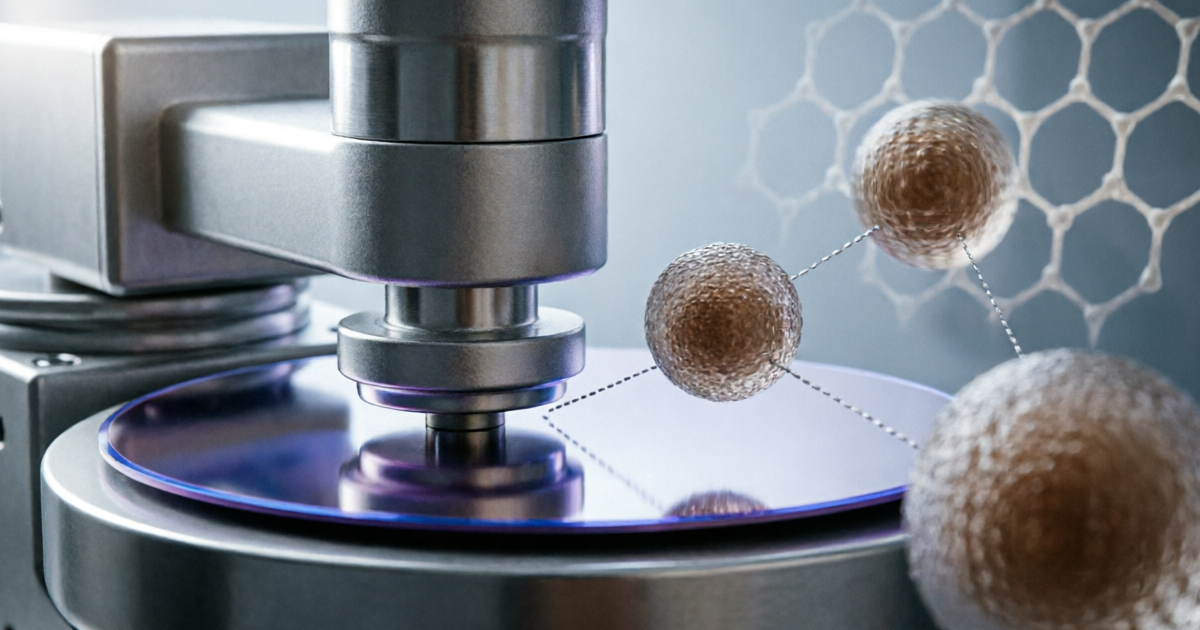
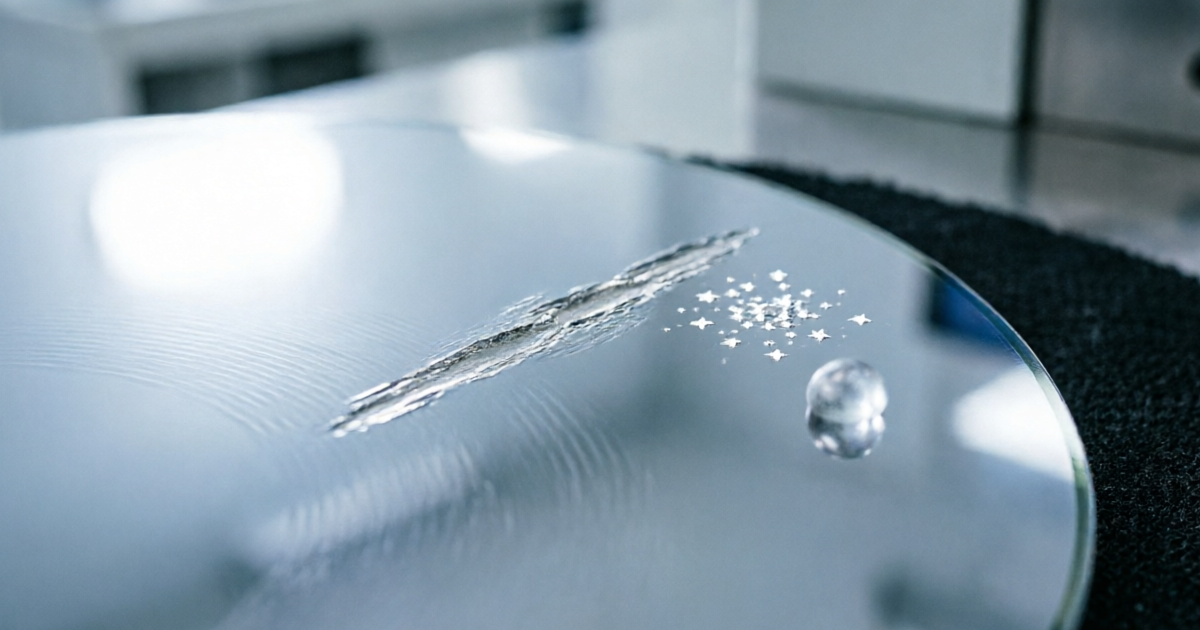
A wafer coming off the polishing platen carries residual slurry particles, chemical byproducts from the CMP reaction, and potentially redeposited material from the pad or conditioner on both its front and back surfaces. If this residue is not fully removed before the wafer moves to the next process step — typically deposition or lithography — it can cause particle defects, contamination, or adhesion problems that affect device yield.
Because of this, post-CMP cleaning is treated as an integral part of chemical mechanical planarization equipment rather than an optional add-on, and most modern CMP platforms integrate cleaning, drying, and wafer transfer directly into the same tool as the polishing module.
Cleaning Module Architecture
A typical post-CMP cleaning module combines several cleaning mechanisms in sequence, each targeting different types of residue:
Brush scrubbers: Soft, rotating brushes — often made from PVA (polyvinyl alcohol) sponge material — make direct contact with the wafer surface to physically remove particles, typically combined with a cleaning chemistry flowing through or around the brush.
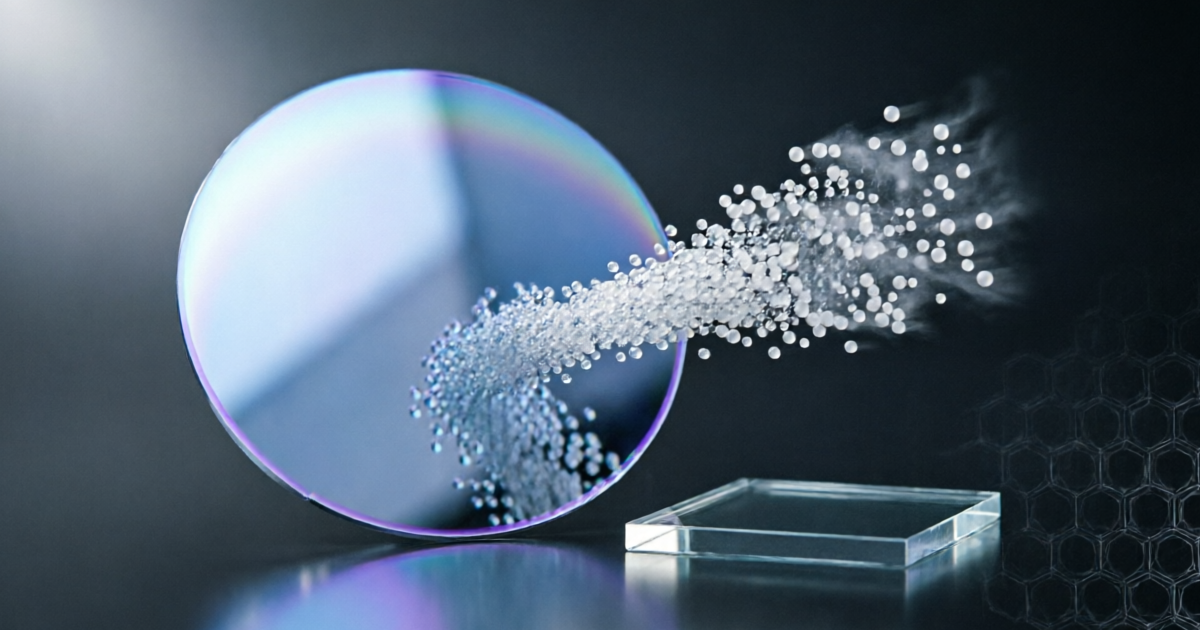
Megasonic cleaning: High-frequency acoustic energy is transmitted through a cleaning fluid to dislodge particles from the wafer surface without direct mechanical contact, useful for removing smaller particles that brushes may not fully address.
Spin-rinse-dry (SRD): After cleaning, the wafer is rinsed with deionized water and spun at high speed to remove residual fluid, leaving a dry surface ready for the next process step.
Most production tools combine two or more of these mechanisms in a defined sequence, with the exact combination and order tuned to the specific film and slurry chemistry used in the preceding polish step.
Front-Side vs Back-Side Cleaning
While the front side of the wafer — the side that was polished — receives the most attention, back-side cleaning is also important. Slurry and particles can migrate to the wafer back side during handling and polishing, and back-side particles can cause focus and overlay errors in subsequent lithography steps if a particle becomes trapped between the wafer and the chuck of a downstream tool.
Many cleaning modules include dedicated back-side cleaning stations — often brush-based — that run in parallel with or immediately after front-side cleaning, ensuring both surfaces meet particle specifications before the wafer exits the tool.
Chemistries Used in Post-CMP Cleaning
Post-CMP cleaning chemistries are formulated to target the specific residues left by a given CMP process. For oxide CMP, cleaning chemistries often focus on removing silica-based abrasive residue and adjusting surface charge to prevent particle redeposition. For copper and barrier CMP, cleaning chemistries must also address metal ion contamination and prevent corrosion of the freshly exposed copper surface, often using mildly basic or chelating chemistries designed for this purpose.
Because cleaning chemistry selection is closely tied to the upstream slurry chemistry, post-CMP cleaning is typically qualified as part of the same process package as the polish step itself — a connection we also touch on in How CMP Equipment Works.
Contamination Sources in CMP
| Source | Beschreibung |
|---|---|
| Slurry residue | Abrasive particles and chemical additives remaining on the wafer surface after polishing |
| Particle redeposition | Particles removed during polishing that resettle onto the wafer surface before cleaning |
| Metal ion contamination | Trace metal ions from copper or barrier polishing that can affect downstream process steps if not fully removed |
| Cross-contamination between platens | On multi-platen tools, residue from one slurry chemistry transferring to a wafer during a subsequent step on a different platen |
| Conditioner debris | Diamond or pad fragments dislodged during conditioning that can transfer to the wafer surface |
Defect Types Linked to Inadequate Cleaning
Particle defects: Residual abrasive or redeposited particles that show up in wafer inspection and can cause shorts, opens, or pattern defects in subsequent layers.
Watermarks and staining: Incomplete drying or residual chemistry can leave visible marks on the wafer surface, sometimes associated with metal contamination.
Scratches: While often originating during polishing, scratches can also be introduced or worsened during brush cleaning if brushes are worn, contaminated, or improperly maintained.
Corrosion-related defects: On copper and other metal films, inadequate cleaning chemistry can leave the surface susceptible to corrosion before the next protective layer is deposited.
Best Practices for Contamination Control
Effective contamination control in CMP equipment combines equipment design, chemistry selection, and maintenance discipline. Regular inspection and replacement of cleaning brushes prevents worn brushes from becoming a source of defects themselves. Monitoring cleaning chemistry concentration and bath life ensures cleaning effectiveness does not degrade over time. Periodic particle count monitoring on cleaned wafers helps catch drift before it affects yield.
Maintenance schedules for cleaning modules are typically integrated into the broader equipment maintenance program — see CMP Equipment Maintenance and Consumables Guide for a full overview, and return to our complete CMP equipment guide for how cleaning fits into the overall tool architecture.
Have Questions About CMP Consumables and Process Cleanliness?
JEEZ supplies polishing consumables formulated with downstream cleanability in mind. Get in touch with our technical team.
KontaktHäufig gestellte Fragen
Why is cleaning integrated directly into CMP equipment?
Because residual slurry and particles on a freshly polished wafer can cause defects in later process steps, most modern CMP platforms integrate cleaning, drying, and wafer transfer into the same tool to minimize handling and reduce contamination risk.
What is megasonic cleaning used for in CMP?
Megasonic cleaning uses high-frequency acoustic energy transmitted through a cleaning fluid to dislodge particles from the wafer surface without direct mechanical contact, complementing brush scrubbing for smaller particle removal.
Why is back-side cleaning important in CMP equipment?
Particles can migrate to the wafer back side during handling and polishing, and if not removed, can cause focus and overlay errors in subsequent lithography steps if trapped between the wafer and a downstream tool’s chuck.
How does post-CMP cleaning chemistry differ for copper vs oxide processes?
Oxide CMP cleaning typically focuses on removing silica-based abrasive residue and preventing particle redeposition, while copper and barrier CMP cleaning must also address metal ion contamination and prevent corrosion of the freshly exposed metal surface.