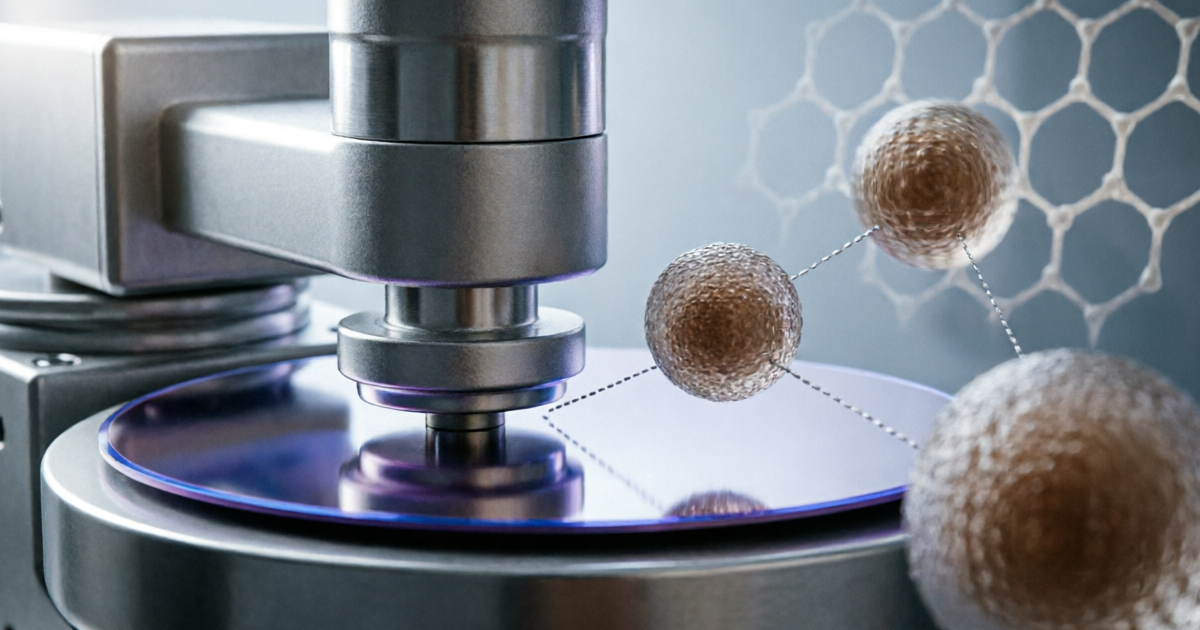
ダイシング装置用ウェーハダイシングブレード
In semiconductor wafer singulation, the performance of diamond dicing blades is inseparable from the characteristics of the dicing equipment. Even a well-designed blade will fail to deliver stable cutting results if it is mismatched with the spindle system, flange configuration, or rotational speed capability of the dicing saw. From an engineering perspective, wafer dicing blades should be treated as an integrated component of the dicing equipment rather than a standalone consumable.
This page focuses on the equipment-side considerations of wafer dicing blades, explaining how spindle design, flange geometry, and rotational speed directly influence blade behavior, cutting stability, and wafer yield. It complements the core ウエハダイシングブレード overview and builds upon the material and structural concepts discussed in ダイシングブレード技術.
目次
- Wafer Dicing Equipment Overview
- Compatibility with Dicing Saw Machines
- Blade Selection for Different Equipment Types
- Equipment Setup and Blade Performance
Wafer Dicing Equipment Overview
Wafer dicing equipment, commonly referred to as dicing saws, is designed to provide high-speed, high-precision linear cutting across semiconductor wafers. Modern dicing machines integrate precision motion stages, high-speed spindles, coolant delivery systems, and real-time process monitoring.
From the blade perspective, the most critical equipment subsystems include:
- Spindle assembly (motor type, bearing design, runout)
- Blade mounting system (flange size, clamping force, concentricity)
- Rotational speed control and stability
- Vibration damping and machine rigidity
- Coolant and debris removal capability
Each of these subsystems interacts directly with diamond dicing blade behavior. Any limitation or instability in the equipment will amplify blade wear, increase edge chipping, or cause kerf inconsistency.
Typical Wafer Dicing Equipment Categories
| Equipment Type | 代表的なアプリケーション | Blade Requirements |
|---|---|---|
| Standard Silicon Dicing Saw | ロジックおよびメモリーウェーハ | Thin blades, high RPM stability |
| Power Device Dicing Saw | SiC, GaN wafers | High torque, rigid spindle |
| Advanced Packaging Dicing System | Thin wafers, stacked devices | Ultra-low vibration, fine kerf control |
Compatibility with Dicing Saw Machines
Compatibility between wafer dicing blades and dicing saw machines is primarily defined by mechanical interface constraints and dynamic operating limits. The most critical interfaces are the spindle shaft and the blade flange.
Spindle System Considerations
The spindle is responsible for transmitting rotational energy to the blade while maintaining precise concentricity. Key spindle parameters affecting blade performance include rotational accuracy, bearing stiffness, and torque capacity.
- Spindle runout directly affects kerf straightness and blade wear uniformity
- Insufficient spindle stiffness leads to blade deflection and chipping
- Torque limitations restrict usable blade thickness and grit size
| Spindle Parameter | Engineering Impact on Blade |
|---|---|
| Radial Runout (μm) | Controls kerf width variation |
| Axial Runout (μm) | Affects cut depth consistency |
| Maximum RPM | Limits blade peripheral speed |
| Torque Capacity | Determines suitability for hard wafers |
Blade Flange Design and Mounting
The blade flange clamps the diamond dicing blade to the spindle and plays a critical role in vibration suppression and blade stiffness. Improper flange design or mismatch can negate the benefits of high-quality blades.
Key flange design factors include:
- Flange diameter relative to blade diameter
- Surface flatness and parallelism
- Clamping force distribution
- Material stiffness and damping characteristics
| Flange Diameter | Typical Blade Diameter | Engineering Effect |
|---|---|---|
| 30 mm | 50–56 mm | High stiffness, limited exposure |
| 40 mm | 56–70 mm | Balanced stiffness and exposure |
| 50 mm | 70–80 mm | Improved stability for thick wafers |
An undersized flange increases blade vibration and accelerates fatigue failure, while an oversized flange reduces usable blade exposure and limits maximum cutting depth.
Blade Selection for Different Equipment Types
Blade selection must consider not only wafer material but also the operating window of the dicing equipment. Selecting a blade that exceeds equipment capability often results in unstable cutting rather than improved performance.
Matching Blade Parameters to Equipment Capability
| Equipment Capability | Recommended Blade Characteristics |
|---|---|
| High RPM, low torque spindle | Thin blade, fine grit, resin bond |
| Medium RPM, high torque spindle | Medium thickness, metal bond |
| Ultra-rigid spindle system | Coarser grit, higher concentration |
For example, SiC wafer dicing often requires thicker metal-bond blades, but these blades demand higher spindle torque. Installing such blades on a standard silicon dicing saw typically leads to spindle overload and excessive vibration.
Equipment-Specific Blade Optimization
Equipment manufacturers often specify recommended blade dimensions, maximum allowable thickness, and rotational speed limits. Blade design should remain within these limits to ensure long-term spindle reliability and consistent cutting quality.
Additional guidance on balancing blade geometry and process parameters can be found in ダイシングブレードの選び方, which links equipment capability with blade selection logic.
Equipment Setup and Blade Performance
Even with correct blade and equipment matching, improper setup can severely degrade dicing performance. Setup-related variables are often the root cause of unexplained chipping or blade breakage.
Critical Setup Parameters
- Blade mounting concentricity
- Flange tightening torque consistency
- Spindle warm-up procedure
- Coolant nozzle alignment
Rotational Speed Engineering
Blade rotational speed determines peripheral cutting speed, which directly affects cutting force and heat generation. Excessive RPM increases thermal stress and diamond wear, while insufficient RPM causes unstable cutting and chipping.
| ブレード径 | Typical RPM Range | Peripheral Speed |
|---|---|---|
| 56 mm | 30,000–40,000 | 88–117 m/s |
| 60 mm | 28,000–38,000 | 88–119 m/s |
| 70 mm | 22,000–32,000 | 80–117 m/s |
Stable RPM control is more important than maximum speed. RPM fluctuation introduces cyclic cutting forces that accelerate blade fatigue and cause kerf waviness.