logo

Über semiconductor

Dieser Autor hat noch keine Angaben gemacht.
Bislang hat semiconductor 62 Blogeinträge erstellt.

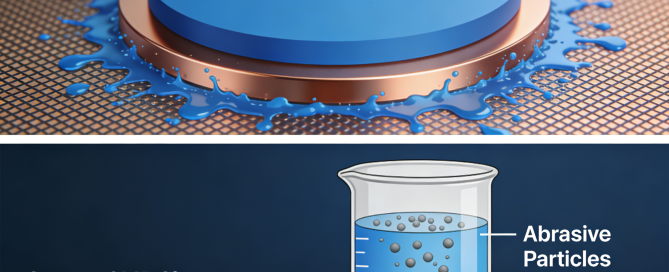
Tungsten CMP Slurry for Semiconductor Manufacturing

  Table of Contents 1. Introduction to Tungsten CMP 2. Tungsten CMP Applications in Semiconductor Devices 3. Material Properties of Tungsten Relevant to CMP 4. Chemical–Mechanical Removal Mechanism 5. Tungsten CMP Slurry Composition Architecture 6. Chemical Kinetics & Rate-Limiting Steps 7. Engineering Parameters & Experimental Data 8. Process Window & Control Maps 9. Defect Mechanisms & Root Cause Analysis 10. High-Volume Manufacturing Challenges 11. Slurry Selection & Optimization Guidelines 12. Future Trends in Tungsten CMP Slurry 1. Introduction to Tungsten CMP Tungsten Chemical Mechanical Planarization (CMP) plays a critical role in semiconductor manufacturing, particularly for contact plug and via fill ...
Von |2026-01-05T16:19:16+08:002026年1月5日|Blog, Industrie|0 Kommentare

Copper CMP Slurry for Advanced Semiconductor Manufacturing

  Table of Contents 1. Introduction to Copper CMP 2. Role of Copper CMP Slurry in BEOL Integration 3. Chemical–Mechanical Removal Mechanism 4. Copper CMP Slurry Composition Architecture 5. Two-Step Copper CMP Slurry Systems 6. Key Engineering Parameters & Data Ranges 7. Process Window & Control Maps 8. Defect Mechanisms & Root Cause Analysis 9. High-Volume Manufacturing (HVM) Challenges 10. Slurry Selection & Optimization Guidelines 11. Future Trends in Copper CMP Slurry 1. Introduction to Copper CMP Copper has become the dominant interconnect material in advanced semiconductor devices due to its low resistivity and superior electromigration resistance compared to aluminum. ...

Von |2026-01-05T16:11:37+08:002026年1月5日|Blog, Industrie|0 Kommentare

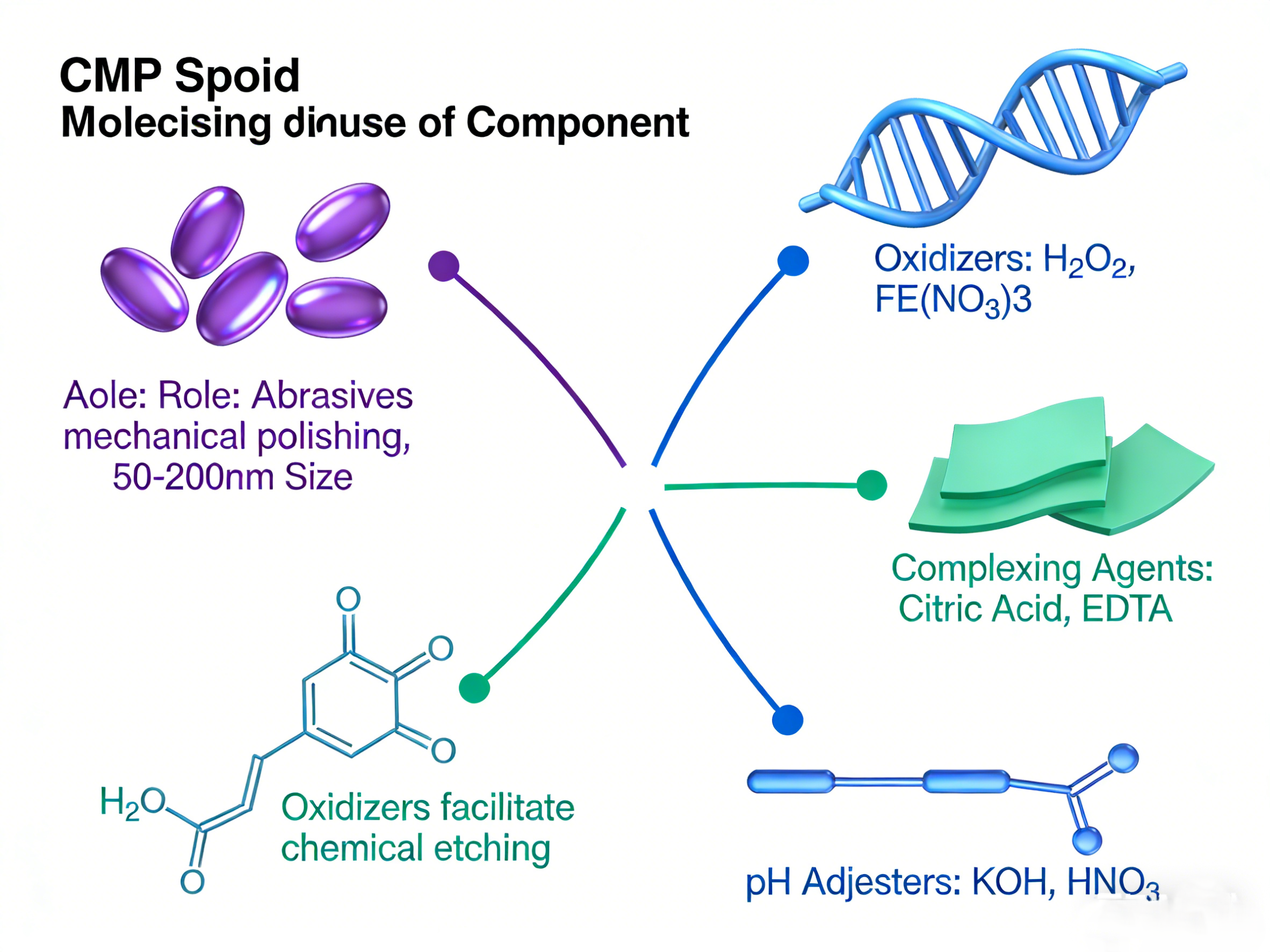
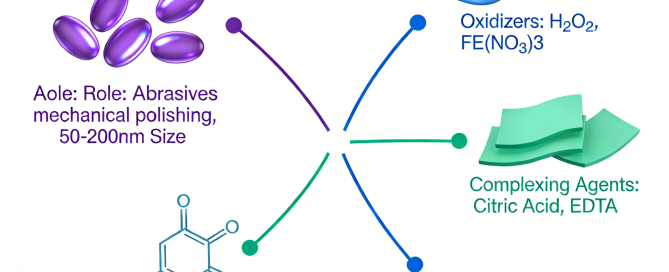
What Does Slurry in CMP Contain? A Complete Engineering-Level Explanation

Table of Contents 1. Introduction 2. High-Level Component Overview 3. Abrasive Particles 4. Oxidizers and Reactive Species 5. Complexing & Chelating Agents 6. Corrosion Inhibitors & Passivation Additives 7. pH Buffers and Ionic Control 8. Surfactants & Dispersion Agents 9. Stabilizers & Shelf-Life Additives 10. Trace Impurities & Contamination Risks 11. Component Interaction & Coupled Effects 12. Defect Mechanisms Caused by Component Imbalance 13. Engineering Summary 1. Introduction In chemical mechanical planarization (CMP), slurry is not a simple polishing liquid. It is a carefully engineered multiphase system where mechanical abrasion, chemical reactions, and interfacial transport must remain in precise balance. ...

Von |2026-01-05T16:30:30+08:002026年1月5日|Blog, Industrie|0 Kommentare

CMP Slurry Composition Explained

  Table of Contents Introduction Fundamental Architecture of CMP Slurry Abrasive Particles in CMP Slurry Chemical Additives and Oxidizers Complexing Agents and Corrosion Inhibitors pH Control and Chemical Stability Slurry Stability, Dispersion, and Shelf Life Engineering Parameter Tables Experimental Data and Performance Ranges CMP Slurry Process Window Analysis Composition-Related Failure Modes CMP Slurry Composition Within the CMP Ecosystem Introduction CMP slurry composition defines the fundamental behavior of chemical mechanical planarization processes in semiconductor manufacturing. While CMP is often described as a hybrid of chemistry and mechanics, it is the slurry formulation that ultimately governs how these two mechanisms interact at ...

Von |2026-01-05T16:00:57+08:002026年1月5日|Blog, Industrie|0 Kommentare

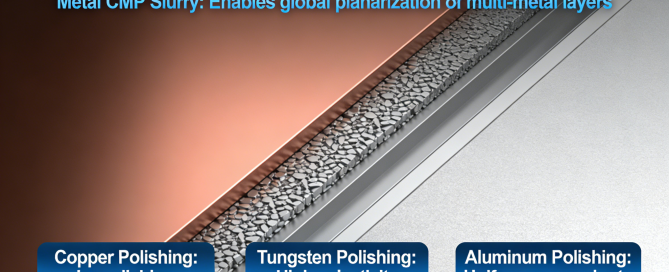
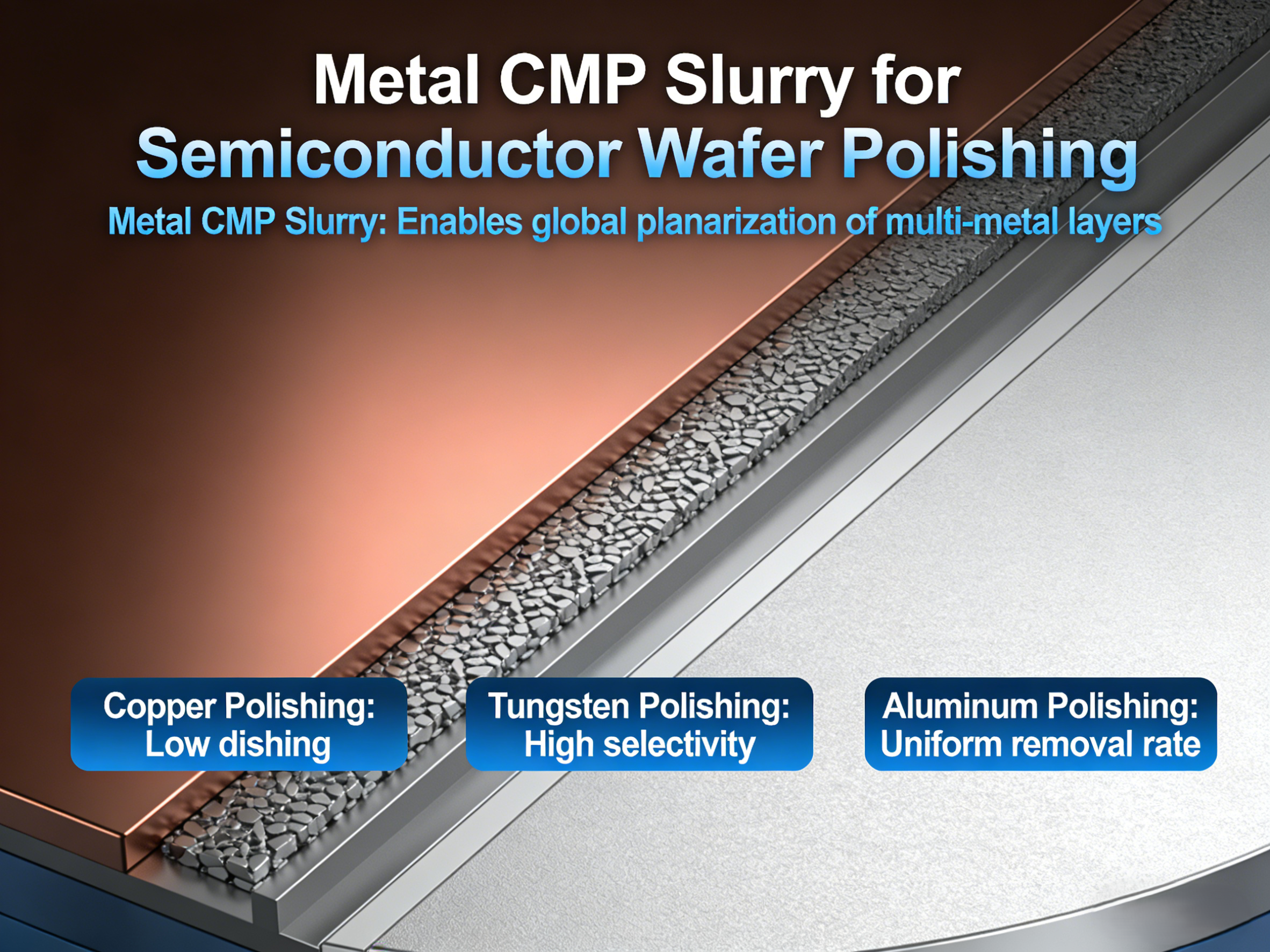
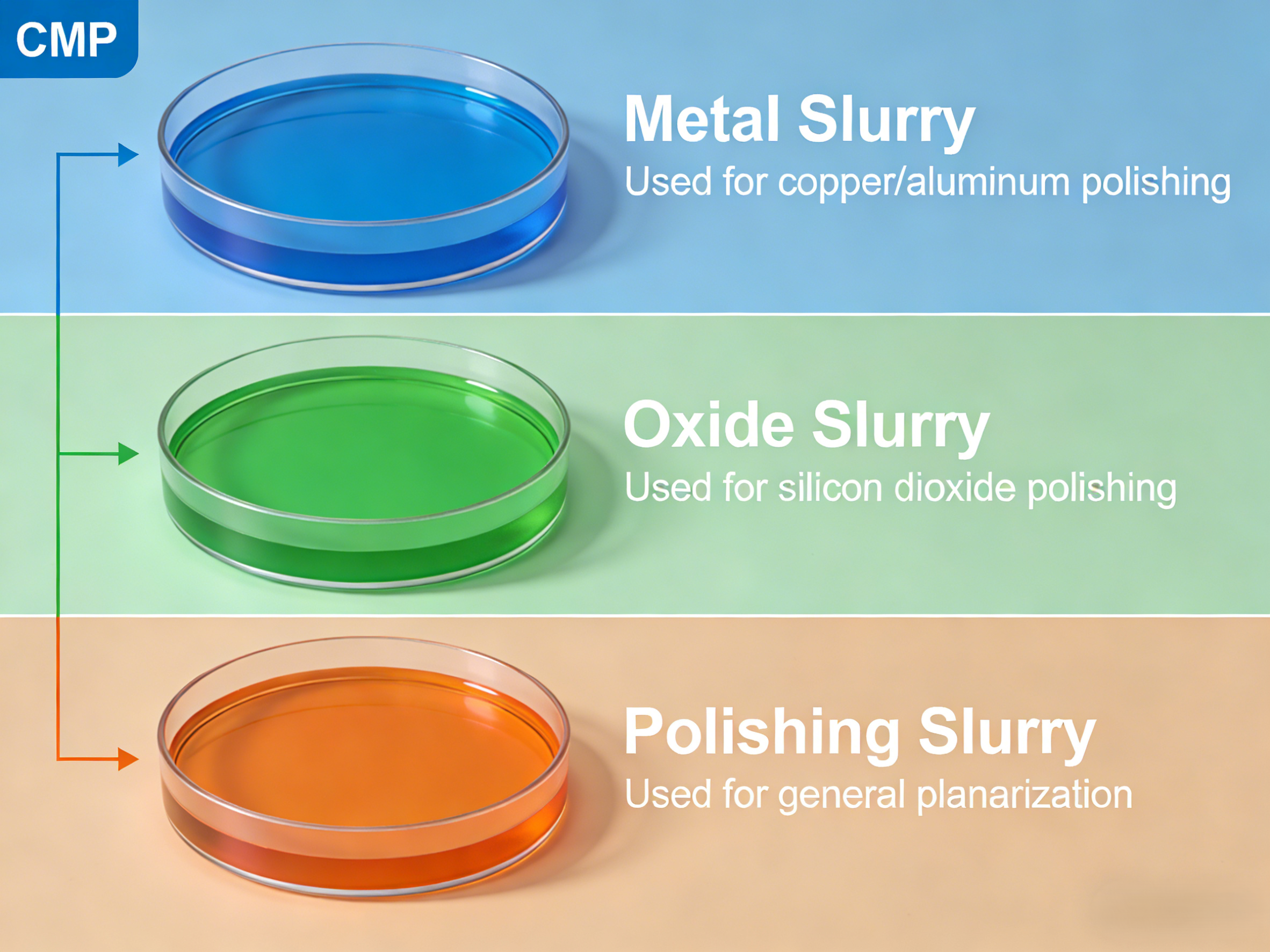
Metal CMP Slurry for Semiconductor Wafer Polishing

  Table of Contents 1. Introduction to Metal CMP 2. Why Metal CMP Is Fundamentally Different 3. Classification of Metal CMP Slurry Types 4. Removal Mechanisms Across Different Metals 5. Metal CMP Slurry Composition Architecture 6. Metal-Specific CMP Slurry Considerations 7. Engineering Parameters & Experimental Data 8. Process Window & Integration Control 9. Metal CMP Defects & Root Cause Analysis 10. High-Volume Manufacturing Challenges 11. Slurry Selection Strategy for Metal CMP 12. Future Trends in Metal CMP Slurry 1. Introduction to Metal CMP Metal Chemical Mechanical Planarization (CMP) is one of the most integration-critical processes in advanced semiconductor manufacturing. Unlike ...

Von |2026-01-05T16:22:08+08:002026年1月5日|Blog, Industrie|0 Kommentare

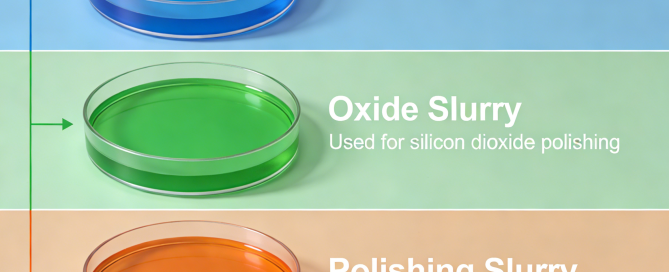
CMP Slurry Types Explained

  Table of Contents Introduction: Why CMP Slurry Types Matter CMP Slurry Classification Logic Oxide CMP Slurry Copper CMP Slurry Tungsten CMP Slurry Barrier & Hard Mask CMP Slurry Low-k & Advanced Dielectric Slurry Node-Driven Slurry Types Slurry Type vs Process Window Slurry Selection Decision Matrix Type-Specific Failure Modes Introduction: Why CMP Slurry Types Matter CMP slurry types are often oversimplified in commercial literature, frequently reduced to labels such as “oxide slurry” or “copper slurry.” In real semiconductor manufacturing environments, however, slurry type selection directly defines removal mechanisms, defect modes, integration risk, and ultimately yield. As technology nodes shrink and ...

Von |2026-01-05T16:09:04+08:002026年1月5日|Blog, Industrie|0 Kommentare

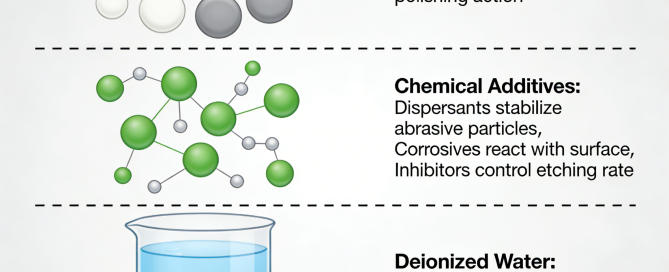
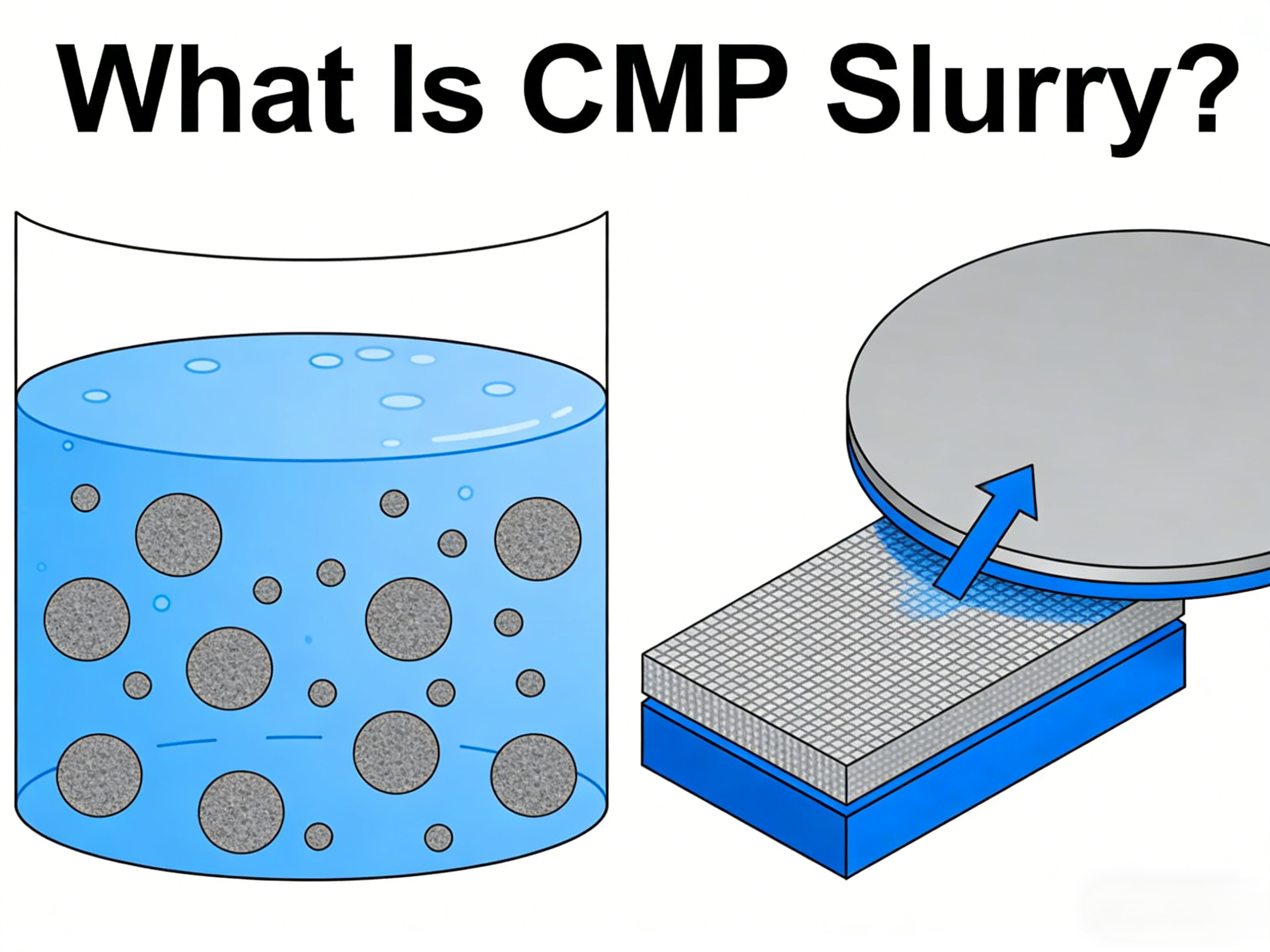
What Is CMP Slurry?

  Table of Contents Definition of CMP Slurry CMP Slurry in Chemical Mechanical Planarization How CMP Slurry Works: Chemical and Mechanical Interaction Functions of CMP Slurry in Wafer Polishing Typical Applications of CMP Slurry CMP Slurry vs Conventional Polishing Compounds Key CMP Slurry Process Parameters Common Misunderstandings About CMP Slurry CMP Slurry Within the Complete CMP Ecosystem Definition of CMP Slurry CMP slurry is a chemically active, particle-based suspension specifically formulated for use in Chemical Mechanical Planarization (CMP) processes during semiconductor wafer manufacturing. Unlike generic abrasive slurries, CMP slurry is engineered to achieve highly controlled material removal through the combined ...

Von |2026-01-05T16:03:27+08:002026年1月5日|Blog, Industrie|0 Kommentare

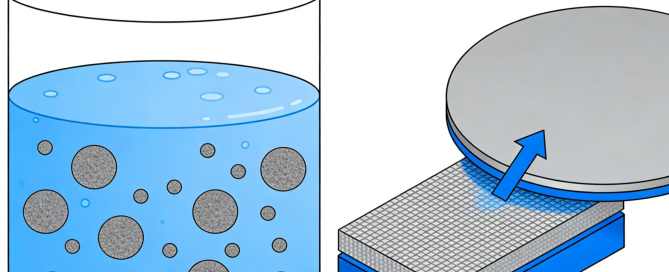
CMP Slurry for Semiconductor Wafer Polishing

Table of Contents What Is CMP Slurry? Role of CMP Slurry in Semiconductor Manufacturing Types of CMP Slurry CMP Slurry Composition and Key Ingredients Metal CMP Slurry Applications CMP Slurry Filtration and Process Control How to Choose CMP Slurry for Wafer Polishing CMP Slurry Supplier and Custom Formulations What Is CMP Slurry? Chemical Mechanical Planarization (CMP) slurry is a highly engineered consumable used in semiconductor wafer polishing processes to achieve global and local planarization of thin films. Unlike conventional abrasive slurries used in mechanical polishing, CMP slurry is a chemically active suspension designed to interact with wafer materials at the ...

Von |2026-01-05T15:58:58+08:002026年1月5日|Blog, Industrie|0 Kommentare

Sapphire

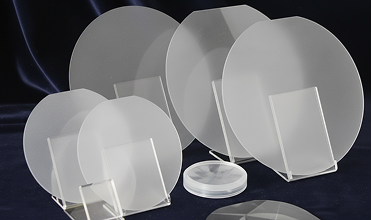
Saphirkristalle besitzen eine hervorragende optische, mechanische und chemische Stabilität, eine hohe Festigkeit, Härte und Erosionsbeständigkeit. Sie können unter rauen Bedingungen bei Temperaturen von fast 2000°C eingesetzt werden. Saphir wird hauptsächlich für LED-Substrate und Uhrenlinsen verwendet und findet breite Anwendung in militärischen Infrarotgeräten, in der Satellitenraumfahrt und als Fenstermaterial für Hochleistungslaser. Es dient als ideales Substratmaterial für praktische Halbleiteranwendungen wie GaN/Al₂O₃-Leuchtdioden (LEDs), groß angelegte integrierte Schaltkreise (SOI und SOS) und Dünnschichten mit geführten Nanostrukturen. Derzeit sind Saphir-Polierschlämme und Schleifflüssigkeiten in China noch weitgehend auf Importe angewiesen. Nach Jahren der kontinuierlichen ...

Von |2025-12-16T11:38:02+08:002025年12月9日|Anmeldung|0 Kommentare

Keramik

Dies ist eine Aluminiumoxid-Keramikplatte, die hochglanzpoliert werden muss. Normalerweise wird Aluminiumoxid-Keramik mit einer Eisenscheibe grob geschliffen und anschließend mit einem weißen Tuch poliert. Diese Methode ist jedoch extrem langsam - oft dauert es 30-40 Minuten mit dem weißen Tuch, bis die gewünschte Spiegeloberfläche erreicht ist. Dies ist für die Serienfertigung inakzeptabel. Alternativ gibt es eine andere Methode: nach dem Grobschliff mit einer Eisenscheibe wird direkt eine Zinnscheibe zum Spiegelpolieren verwendet. Diese Methode hat jedoch auch Nachteile, vor allem die hohen Bearbeitungskosten für Zinnscheiben, die eine Massenproduktion erschweren. Im Allgemeinen ist die Bearbeitung von Aluminiumoxid-Keramikplatten mit gewissen ...

Von |2025-12-16T11:47:51+08:002025年12月9日|Anmeldung|0 Kommentare
Nach oben gehen