logo

Acerca de semiconductor

Este autor aún no ha rellenado ningún dato.
Hasta ahora semiconductor ha creado 51 entradas de blog.

Copper CMP Slurry for Advanced Semiconductor Manufacturing

  Table of Contents 1. Introduction to Copper CMP 2. Role of Copper CMP Slurry in BEOL Integration 3. Chemical–Mechanical Removal Mechanism 4. Copper CMP Slurry Composition Architecture 5. Two-Step Copper CMP Slurry Systems 6. Key Engineering Parameters & Data Ranges 7. Process Window & Control Maps 8. Defect Mechanisms & Root Cause Analysis 9. High-Volume Manufacturing (HVM) Challenges 10. Slurry Selection & Optimization Guidelines 11. Future Trends in Copper CMP Slurry 1. Introduction to Copper CMP Copper has become the dominant interconnect material in advanced semiconductor devices due to its low resistivity and superior electromigration resistance compared to aluminum. ...
Por |2026-01-05T16:11:37+08:002026年1月5日|Blog, Industria|0 Comentarios

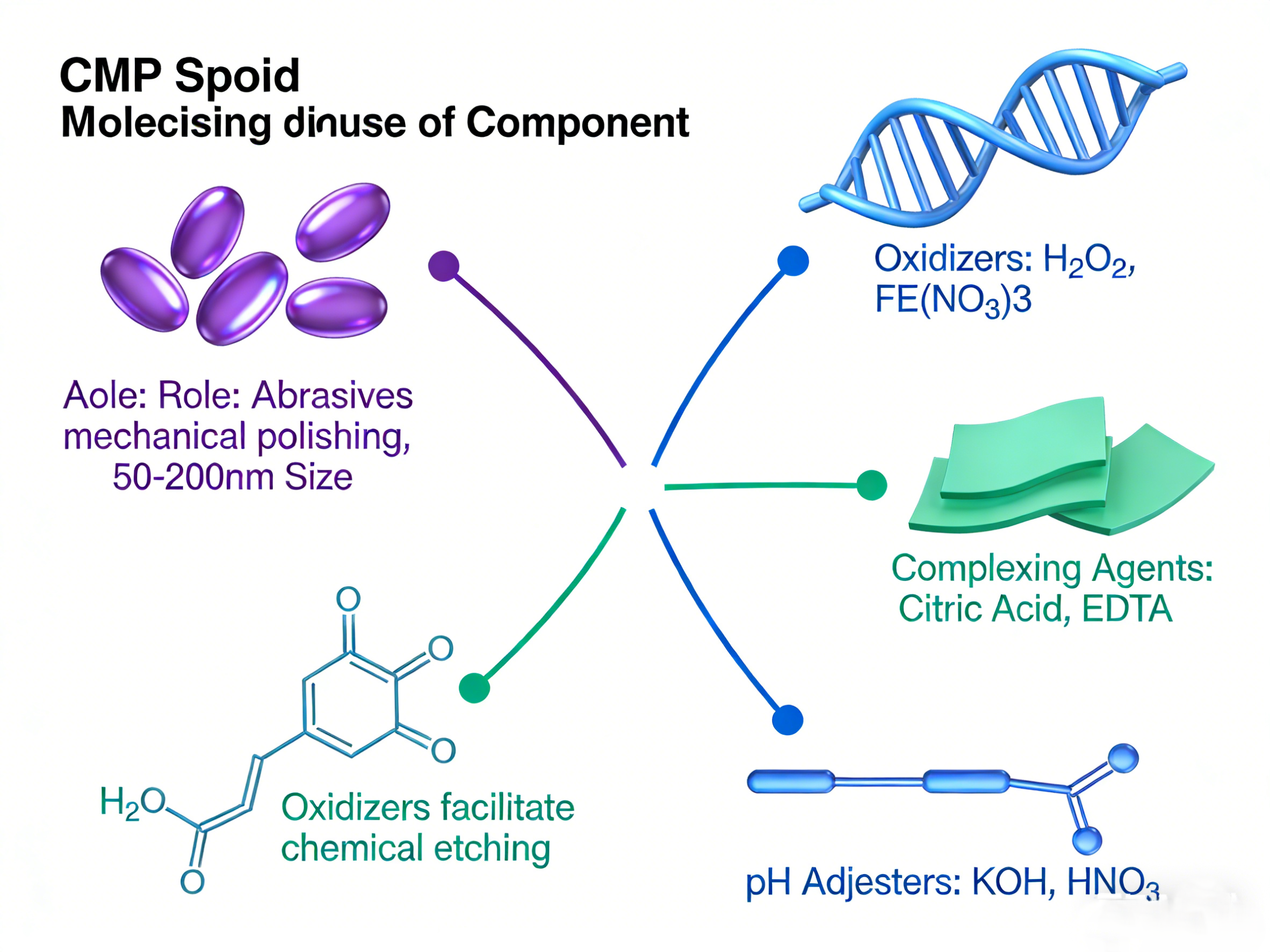
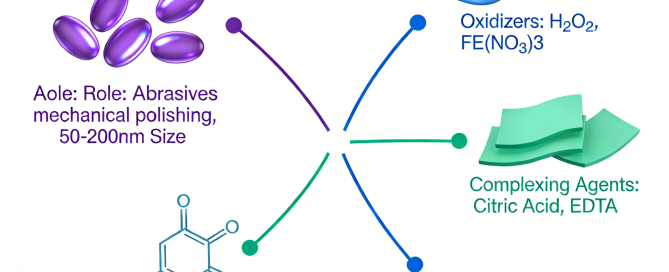
What Does Slurry in CMP Contain? A Complete Engineering-Level Explanation

Table of Contents 1. Introduction 2. High-Level Component Overview 3. Abrasive Particles 4. Oxidizers and Reactive Species 5. Complexing & Chelating Agents 6. Corrosion Inhibitors & Passivation Additives 7. pH Buffers and Ionic Control 8. Surfactants & Dispersion Agents 9. Stabilizers & Shelf-Life Additives 10. Trace Impurities & Contamination Risks 11. Component Interaction & Coupled Effects 12. Defect Mechanisms Caused by Component Imbalance 13. Engineering Summary 1. Introduction In chemical mechanical planarization (CMP), slurry is not a simple polishing liquid. It is a carefully engineered multiphase system where mechanical abrasion, chemical reactions, and interfacial transport must remain in precise balance. ...

Por |2026-01-05T16:30:30+08:002026年1月5日|Blog, Industria|0 Comentarios

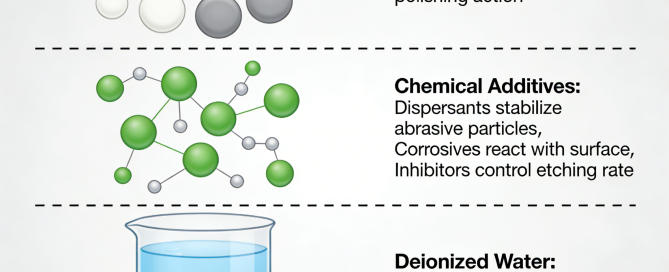
CMP Slurry Composition Explained

  Table of Contents Introduction Fundamental Architecture of CMP Slurry Abrasive Particles in CMP Slurry Chemical Additives and Oxidizers Complexing Agents and Corrosion Inhibitors pH Control and Chemical Stability Slurry Stability, Dispersion, and Shelf Life Engineering Parameter Tables Experimental Data and Performance Ranges CMP Slurry Process Window Analysis Composition-Related Failure Modes CMP Slurry Composition Within the CMP Ecosystem Introduction CMP slurry composition defines the fundamental behavior of chemical mechanical planarization processes in semiconductor manufacturing. While CMP is often described as a hybrid of chemistry and mechanics, it is the slurry formulation that ultimately governs how these two mechanisms interact at ...

Por |2026-01-05T16:00:57+08:002026年1月5日|Blog, Industria|0 Comentarios

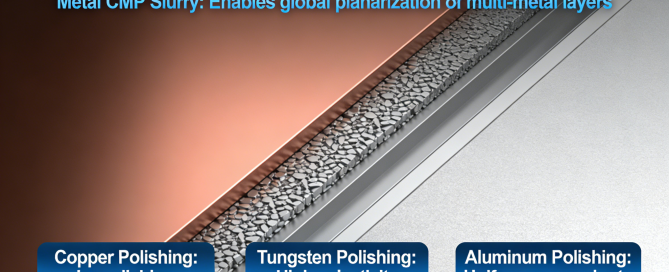
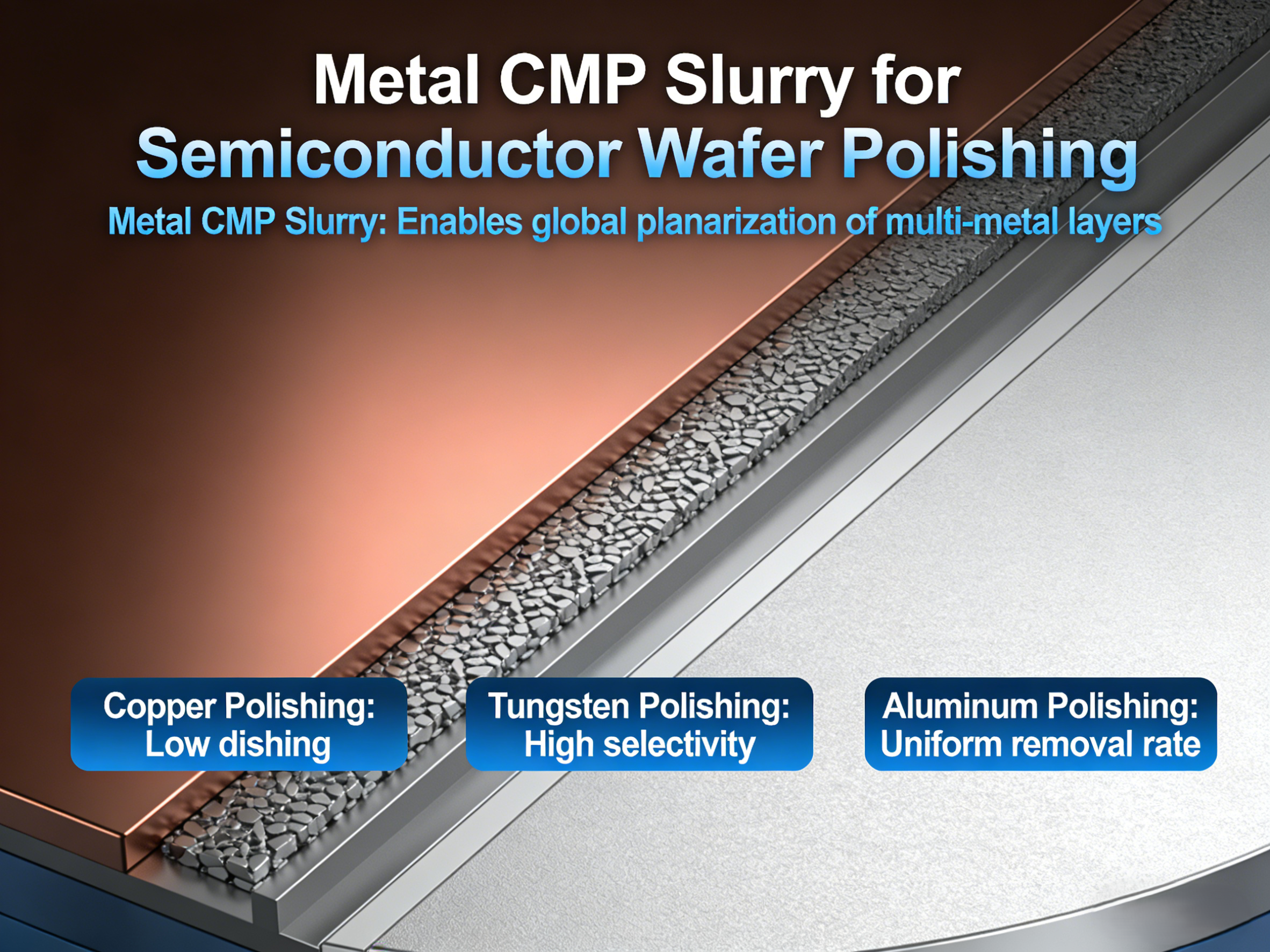
Metal CMP Slurry for Semiconductor Wafer Polishing

  Table of Contents 1. Introduction to Metal CMP 2. Why Metal CMP Is Fundamentally Different 3. Classification of Metal CMP Slurry Types 4. Removal Mechanisms Across Different Metals 5. Metal CMP Slurry Composition Architecture 6. Metal-Specific CMP Slurry Considerations 7. Engineering Parameters & Experimental Data 8. Process Window & Integration Control 9. Metal CMP Defects & Root Cause Analysis 10. High-Volume Manufacturing Challenges 11. Slurry Selection Strategy for Metal CMP 12. Future Trends in Metal CMP Slurry 1. Introduction to Metal CMP Metal Chemical Mechanical Planarization (CMP) is one of the most integration-critical processes in advanced semiconductor manufacturing. Unlike ...

Por |2026-01-05T16:22:08+08:002026年1月5日|Blog, Industria|0 Comentarios

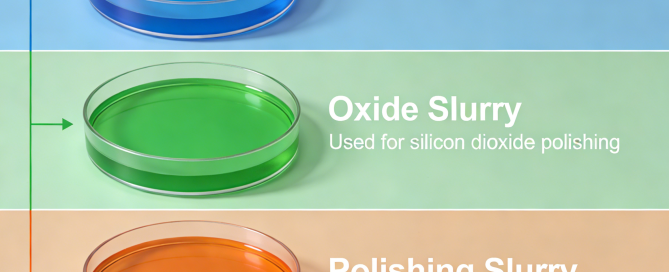
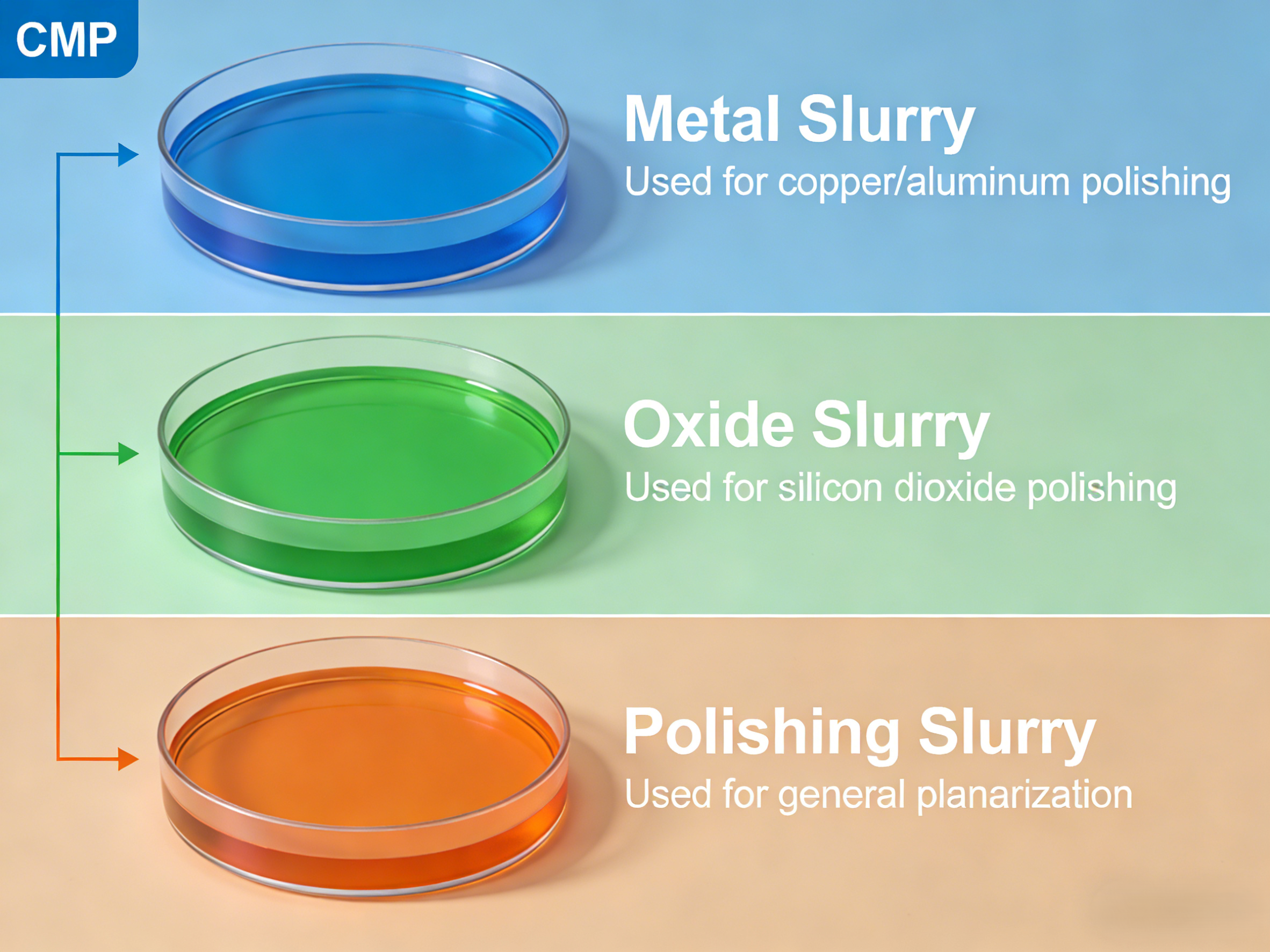
CMP Slurry Types Explained

  Table of Contents Introduction: Why CMP Slurry Types Matter CMP Slurry Classification Logic Oxide CMP Slurry Copper CMP Slurry Tungsten CMP Slurry Barrier & Hard Mask CMP Slurry Low-k & Advanced Dielectric Slurry Node-Driven Slurry Types Slurry Type vs Process Window Slurry Selection Decision Matrix Type-Specific Failure Modes Introduction: Why CMP Slurry Types Matter CMP slurry types are often oversimplified in commercial literature, frequently reduced to labels such as “oxide slurry” or “copper slurry.” In real semiconductor manufacturing environments, however, slurry type selection directly defines removal mechanisms, defect modes, integration risk, and ultimately yield. As technology nodes shrink and ...

Por |2026-01-05T16:09:04+08:002026年1月5日|Blog, Industria|0 Comentarios

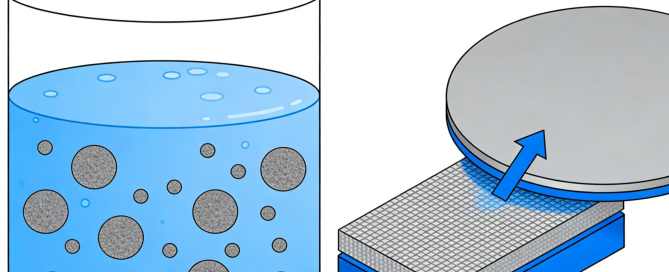
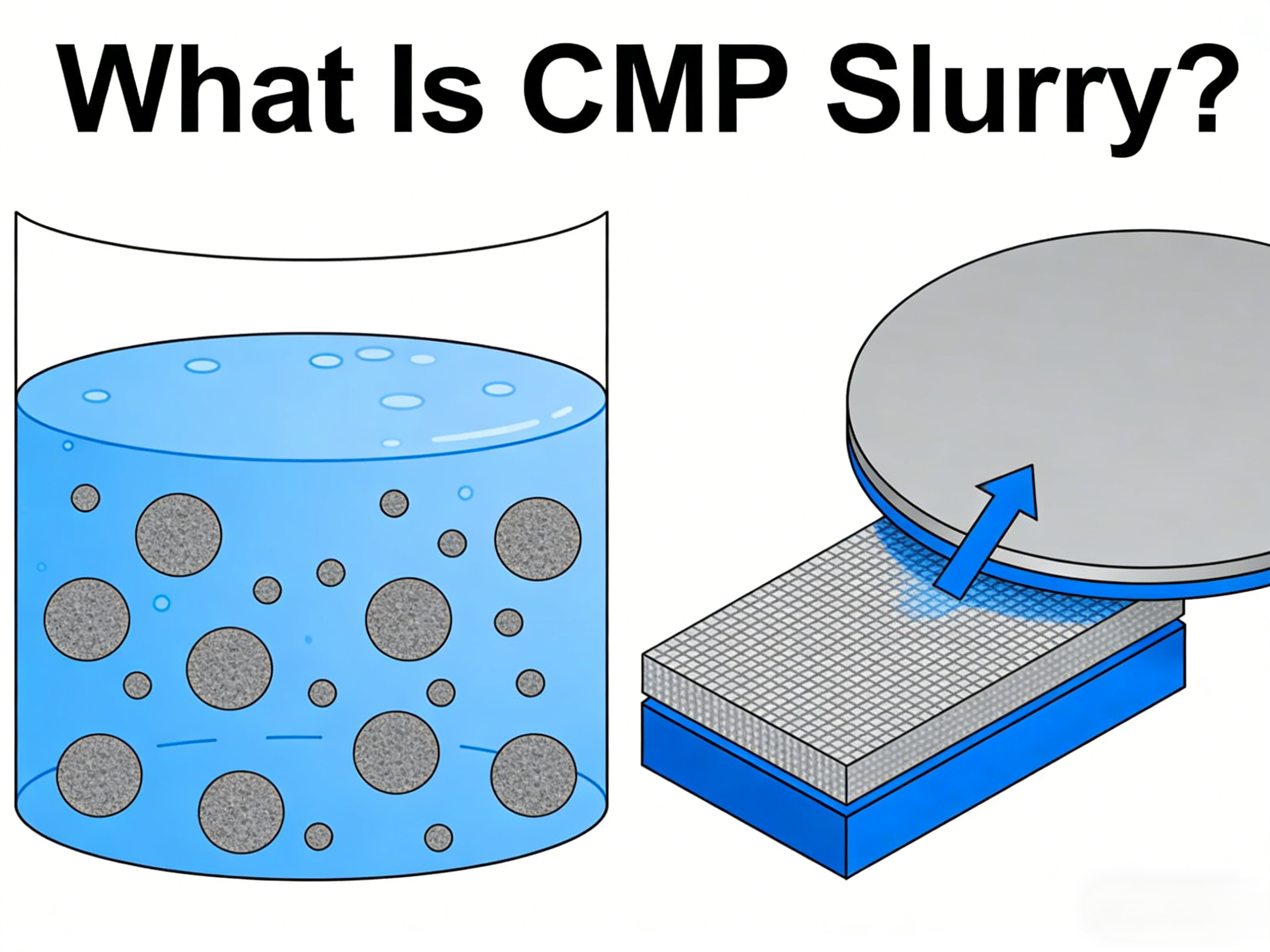
What Is CMP Slurry?

  Table of Contents Definition of CMP Slurry CMP Slurry in Chemical Mechanical Planarization How CMP Slurry Works: Chemical and Mechanical Interaction Functions of CMP Slurry in Wafer Polishing Typical Applications of CMP Slurry CMP Slurry vs Conventional Polishing Compounds Key CMP Slurry Process Parameters Common Misunderstandings About CMP Slurry CMP Slurry Within the Complete CMP Ecosystem Definition of CMP Slurry CMP slurry is a chemically active, particle-based suspension specifically formulated for use in Chemical Mechanical Planarization (CMP) processes during semiconductor wafer manufacturing. Unlike generic abrasive slurries, CMP slurry is engineered to achieve highly controlled material removal through the combined ...

Por |2026-01-05T16:03:27+08:002026年1月5日|Blog, Industria|0 Comentarios

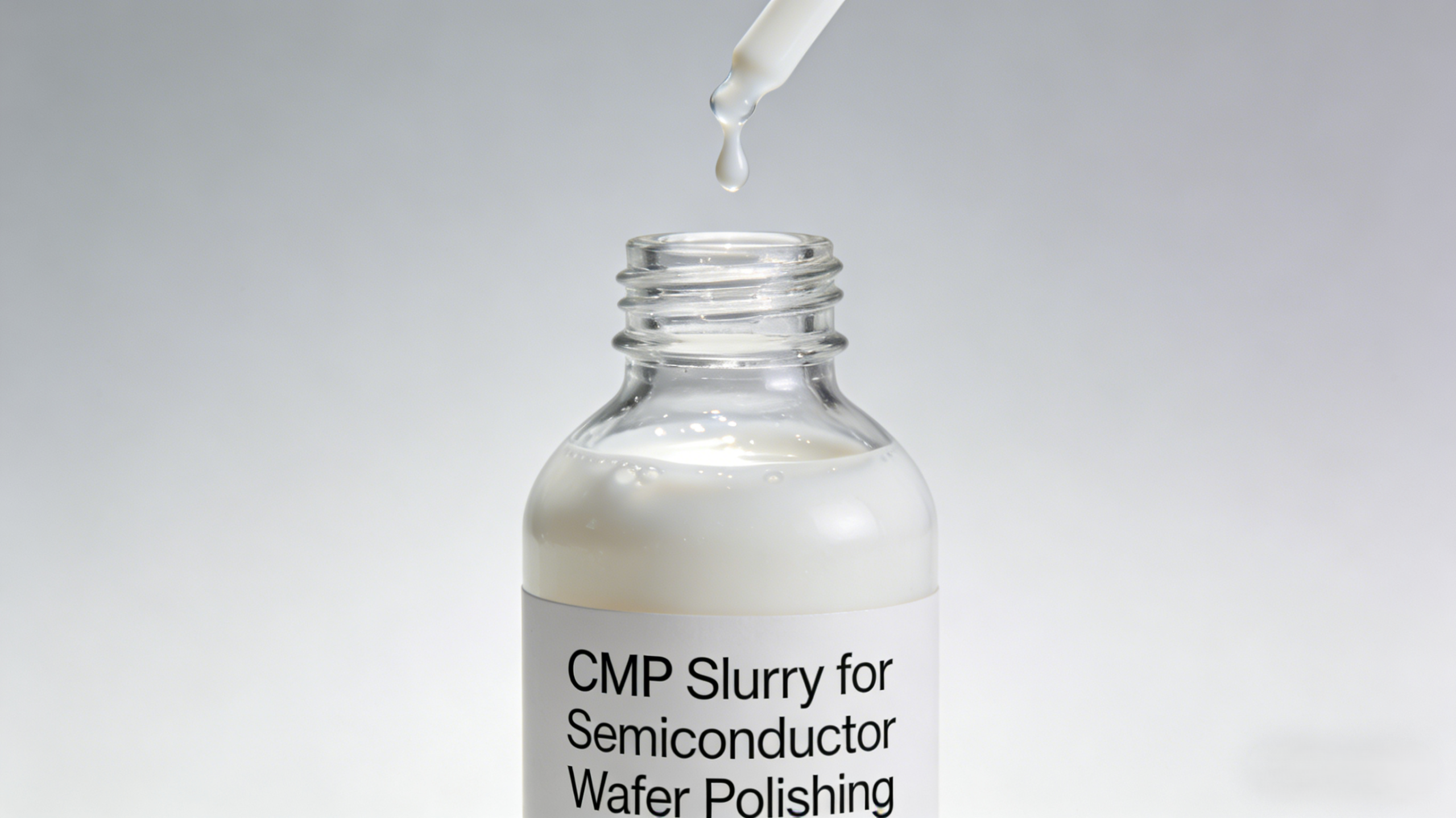
CMP Slurry for Semiconductor Wafer Polishing

Table of Contents What Is CMP Slurry? Role of CMP Slurry in Semiconductor Manufacturing Types of CMP Slurry CMP Slurry Composition and Key Ingredients Metal CMP Slurry Applications CMP Slurry Filtration and Process Control How to Choose CMP Slurry for Wafer Polishing CMP Slurry Supplier and Custom Formulations What Is CMP Slurry? Chemical Mechanical Planarization (CMP) slurry is a highly engineered consumable used in semiconductor wafer polishing processes to achieve global and local planarization of thin films. Unlike conventional abrasive slurries used in mechanical polishing, CMP slurry is a chemically active suspension designed to interact with wafer materials at the ...

Por |2026-01-05T15:58:58+08:002026年1月5日|Blog, Industria|0 Comentarios

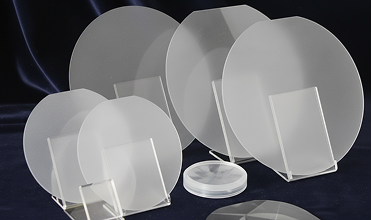
Zafiro

Los cristales de zafiro poseen una excelente estabilidad óptica, mecánica y química, así como una gran resistencia, dureza y resistencia a la erosión. Pueden funcionar en condiciones adversas a temperaturas cercanas a los 2.000 °C. El zafiro se utiliza principalmente en sustratos de LED, lentes de relojes y se aplica ampliamente en dispositivos militares de infrarrojos, tecnología espacial de satélites y como material de ventana para láseres de alta intensidad. Es un material de sustrato ideal para aplicaciones prácticas de semiconductores, como los diodos emisores de luz (LED) GaN/Al₂O₃, los circuitos integrados a gran escala (SOI y SOS) y las películas finas de nanoestructuras guiadas. En la actualidad, los lodos de pulido y los fluidos de esmerilado de zafiro en China siguen dependiendo en gran medida de las importaciones. Tras años de ...

Por |2025-12-16T11:38:02+08:0020255E7412670965E5|Aplicación|0 Comentarios

Cerámica

Se trata de una lámina de cerámica de alúmina que requiere un acabado de espejo. Normalmente, el pulido de las cerámicas de alúmina consiste en desbastarlas con un disco de hierro y, a continuación, pulirlas con un paño blanco, pero este método es extremadamente lento: a menudo se tarda entre 30 y 40 minutos con el paño blanco en conseguir la superficie de espejo deseada. Esto es inaceptable para el procesamiento por lotes. Como alternativa, existe otro método: tras el desbastado con un disco de hierro, se utiliza directamente un disco de estaño para el pulido espejo. Sin embargo, este método también presenta inconvenientes, principalmente el elevado coste de procesamiento de los discos de estaño, lo que dificulta la producción en serie. En general, el procesamiento de láminas de cerámica de alúmina presenta ciertos ...

Por |2025-12-16T11:47:51+08:0020255E7412670965E5|Aplicación|0 Comentarios

Acero al tungsteno

Garantizar el brillo de la superficie y los ángulos rectos es un reto clave en el pulido del acero al tungsteno. El acero al tungsteno se utiliza principalmente para herramientas y cuchillas de corte, por lo que la nitidez de sus bordes repercute directamente en la calidad del producto. El brillo de la superficie también ayuda a mantener la perpendicularidad del producto. Durante el pulido de herramientas de acero al tungsteno, no deben utilizarse muelas de tela ni discos de pulido blandos. Sólo las almohadillas de pulido con la dureza adecuada pueden garantizar ángulos rectos más afilados.

Por |2025-12-16T11:38:42+08:0020255E7412670965E5|Aplicación|0 Comentarios
Ir arriba